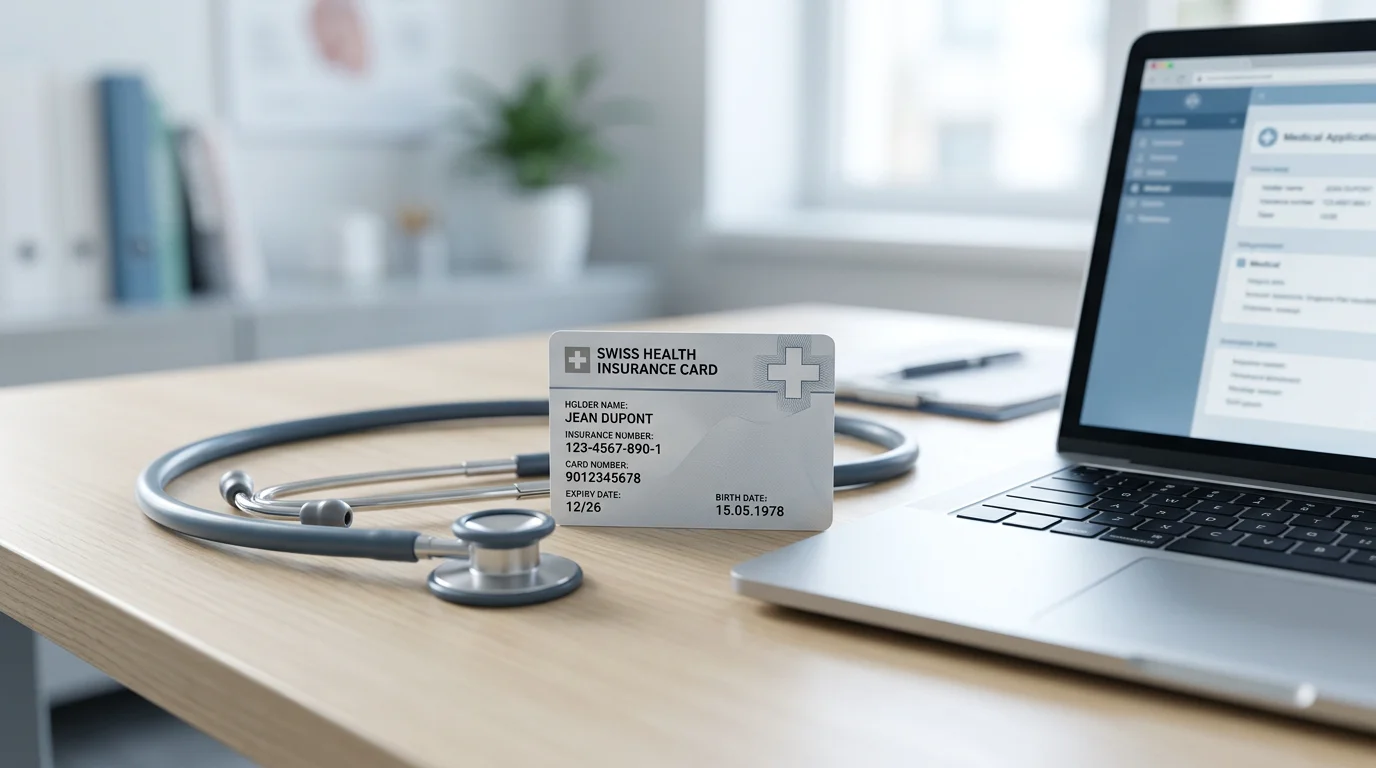
Every resident must hold a mandatory basic policy within three months of arrival, yet the real decisions begin with what happens on top of that legal minimum. To understand where supplementary cover, dental protection and hospital comfort fit, it helps to first grasp our Swiss guide to what CSS stands for in healthcare. The choices you make shape both your annual budget and your access to care.
Costs are climbing again. When residents research private health insurance in Switzerland, they are usually weighing rising premiums against the level of protection they truly need. According to the Federal Office of Public Health, the average monthly premium for 2026 reached CHF 393.30, a figure that pushes many households to reassess their coverage carefully.
How the Swiss health insurance system is structured
Switzerland runs a dual model that blends public regulation with private delivery. There is no free state healthcare, and the search term private health insurance switzerland reflects a genuine legal reality: coverage is mandatory but purchased from competing private insurers. The benefits of compulsory basic insurance are defined by federal law, so they remain identical regardless of which company provides them.
Basic insurance (known as OKP, or LAMal and KVG in the national languages) covers outpatient treatment, prescription medicines, maternity care and accidents. On top of this, residents may add voluntary supplementary insurance for benefits that the legal minimum does not fully reimburse. This second layer is where private insurers compete most actively on price and service.

What supplementary private cover actually adds
Basic insurance sets a floor, not a ceiling. It allows access only to the general wards of a hospital, and it excludes most routine dental treatment. Anyone who prefers a private room, broader provider choice or complementary medicine relies on private top-up policies to close those gaps.
Common supplementary options include:
- Hospital cover for semi-private or private rooms and free choice of clinic.
- Outpatient supplements for complementary medicine, spectacles, contact lenses and fitness contributions.
- Dental insurance, since statutory cover reimburses dental costs only when teeth are damaged in an accident.
- Travel and international cover for treatment outside the EU, EFTA and the UK, where basic insurance reimburses limited amounts.
Unlike basic insurance, premiums for these private policies are risk-based, and insurers may request a health declaration before accepting you. If you plan to switch, our guidance is simple: only cancel an existing contract once your new insurer has confirmed acceptance.
Premiums in 2026: what the numbers show
The pressure on household budgets is measurable. Swiss public broadcaster SWI reported that 2026 premiums rose by an average of 4.4 percent, with Valais up 5.9 percent and Vaud up 4.9 percent, while Geneva rose a more moderate 3.0 percent. The canton of Zug stood out with a striking 14.7 percent decrease driven by changes in how it finances hospital services.
Headline averages can be misleading, however. According to a Deloitte analysis, policyholders on the cheapest models faced increases closer to 7 percent, forcing households to find roughly an extra CHF 23 per month. The same study estimated that the Swiss healthcare market would reach approximately CHF 105.9 billion in 2026, confirming Switzerland as one of the most cost-intensive systems worldwide.
Where you live matters enormously. As an independent comparison service noted, Switzerland is divided into 42 premium regions, and Geneva ranked among the most expensive at around CHF 562 per month for an adult. This geographic spread is precisely why comparison, rather than habit, should drive your decision.
Comparing policies and lowering your premium
Because basic benefits are legally fixed, the price differences between insurers reward those who compare. Several practical levers can reduce what you pay each month without cutting essential protection.
| Cost lever | Typical effect | Best suited to |
|---|---|---|
| Higher deductible (up to CHF 2,500) | Lower monthly premium | Rarely ill, healthy adults |
| Alternative models (HMO, Telmed, family doctor) | Reduced premium versus standard | Those comfortable with coordinated care |
| Suspending accident cover | Around 7 percent premium reduction | Employees working 8+ hours weekly |
| Independent market comparison with our advisors | Tailored, provider-neutral selection | Anyone seeking the right fit, not just the cheapest |
A higher deductible makes financial sense only if you expect low medical spending across the year. Alternative models such as HMO or telemedicine trade some freedom of provider choice for lower premiums. Because we compare the entire Swiss market without tied products, our role is to match these levers to your actual health needs rather than to a single insurer's catalogue.
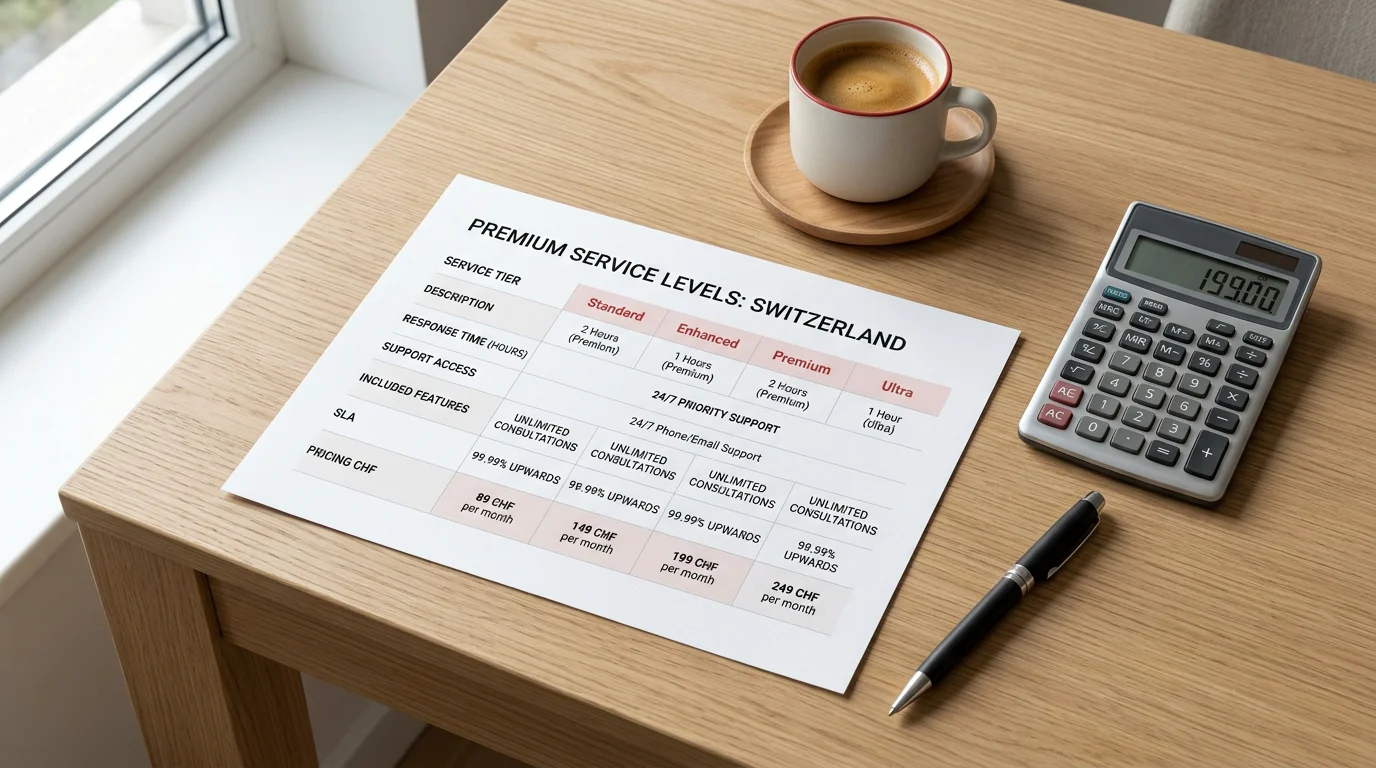
Newcomers and expatriates: the first three months
If you have just relocated, the clock starts immediately. You have three months to register for basic insurance, yet your legal cover applies retroactively from your arrival date. Miss the deadline without good reason, and you may lose that retroactive protection and face a premium surcharge.
Each family member must be insured individually, since Switzerland applies a per-capita premium system rather than an income-based one. Expatriates who still work within the EU, EFTA or the UK generally insure themselves in their country of employment instead. For newcomers weighing dental, hospital and travel add-ons, our independent comparison helps you avoid both under-insurance and paying for benefits you will never use.
Why independent, provider-neutral advice matters
Rising costs have changed behaviour. Households now compare more consciously and increasingly test alternative models and new providers, a shift that Deloitte identified as a defining feature of the 2026 market. Yet the sheer number of insurers, models and supplementary products makes objective comparison genuinely difficult on your own.
This is where independence carries weight. Because we hold no tied products and receive no hidden commissions, we evaluate the whole market on your behalf. Supplementary insurance is supervised by FINMA under private insurance law, so working with a FINMA-registered advisor gives you a regulated, transparent point of contact. If you also want to understand the wider ecosystem, revisit our guide to what CSS stands for in healthcare for context on how these pieces connect.
Making a confident coverage decision
Choosing private health insurance in Switzerland is not about finding a single cheapest number; it is about aligning your deductible, insurance model and supplementary cover with your health, your canton and your budget. With 2026 premiums rising and regional differences widening, the residents who fare best are those who compare deliberately and review their policies each year. Treat your coverage as a living decision, reassess it before the annual cancellation deadline, and prioritise protection that genuinely matches your needs over headline discounts that may leave real gaps.
Take action with Mathias Sudres
Understanding premiums and supplementary options is one thing; selecting the right combination for your household is another. If you would value a clear, provider-neutral view of your choices, we are here to guide you through the entire Swiss market without pressure or tied products.
As an independent, FINMA-registered advisor, we begin with a free initial chat to understand your situation, then compare the market and explain solutions clearly so you can decide with confidence. Discover our independent FINMA-registered insurance and pension advisory and start protecting your health and finances today.
Frequently Asked Questions
Is health insurance mandatory in Switzerland?
Yes, basic health insurance is compulsory for every resident. You must take out a policy within three months of arriving in the country, and coverage applies retroactively from your arrival date.
What is the difference between basic and supplementary insurance?
Basic insurance offers identical, legally defined benefits regardless of the provider. Supplementary insurance is voluntary and risk-based, adding benefits such as private hospital rooms, dental care and complementary medicine.
How much does health insurance cost in 2026?
The average monthly premium reached CHF 393.30 in 2026 after a 4.4 percent increase. Actual costs vary widely by canton, insurer, chosen deductible and insurance model.
How can I reduce my premium legally?
You can choose a higher deductible, select an alternative model such as HMO or telemedicine, or suspend accident cover if your employer already insures you. An independent comparison of providers often reveals further savings.
Should I use an independent advisor?
An independent, FINMA-registered advisor compares the whole market without tied products or hidden commissions. Our free initial chat helps you match deductibles and supplementary cover to your real needs rather than to a single insurer's offer.