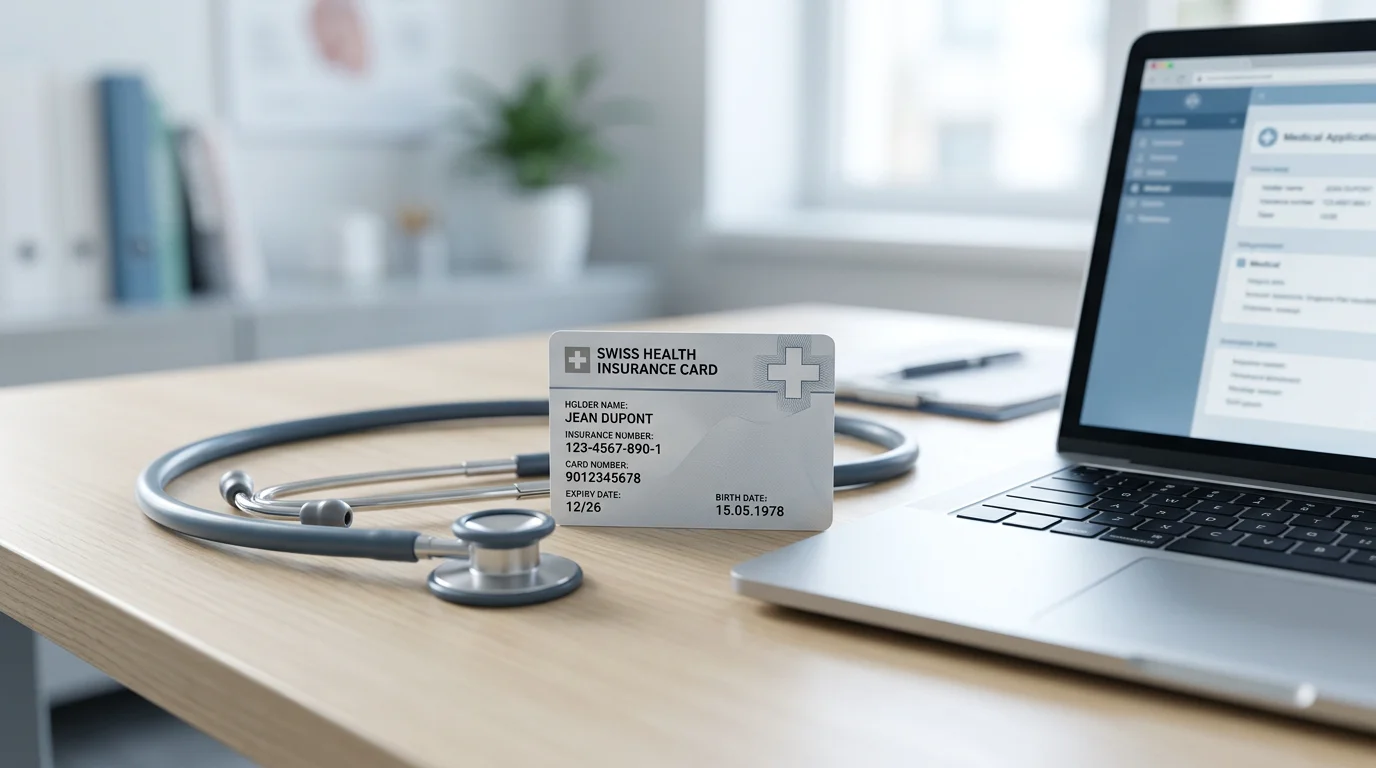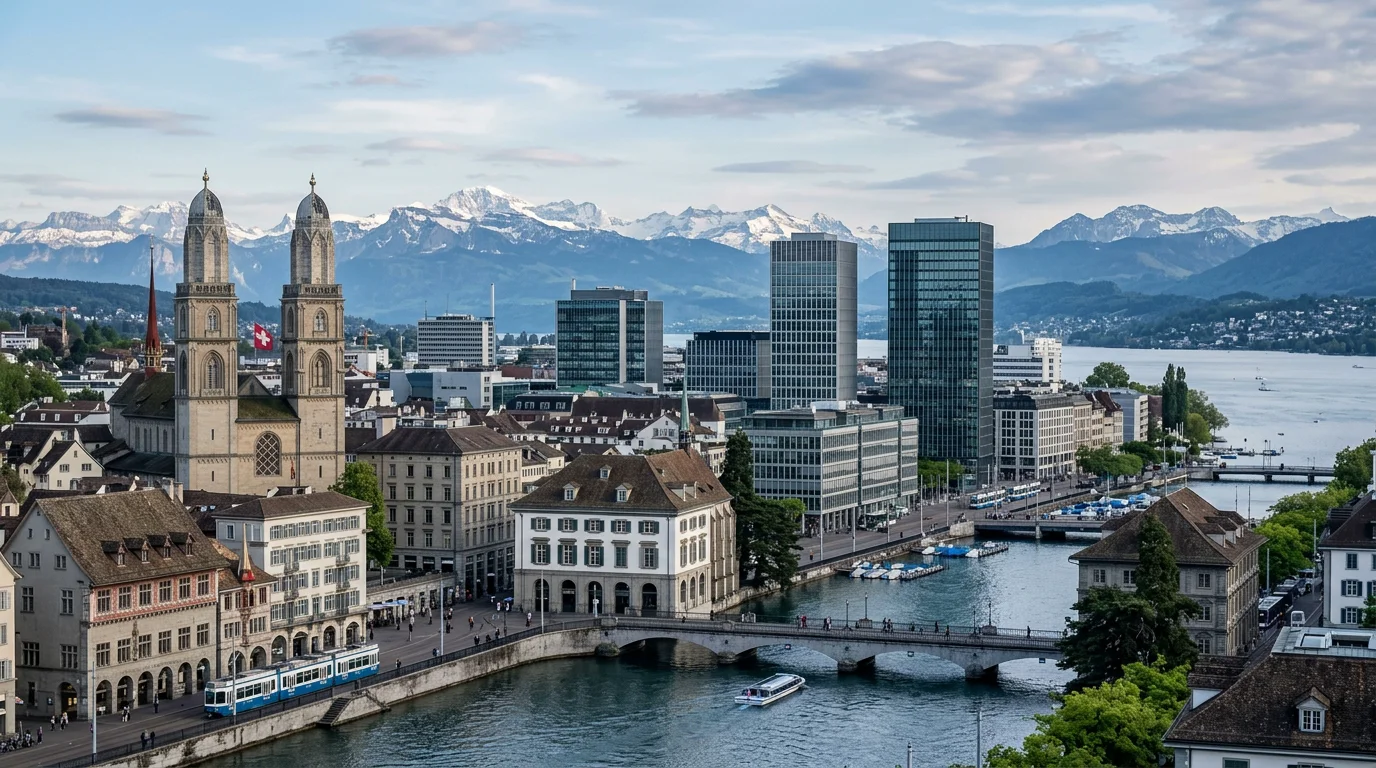
Few markets are as dense and competitive as the Swiss one, where a small population is served by a large field of established groups and newer entrants. Deciding between the many insurance providers active in Switzerland is rarely simple, because premiums, exclusions, and service quality vary widely from one contract to the next. If you are weighing mandatory and supplementary health cover, our 2026 guide to private health insurance in Switzerland is a practical starting point before you compare offers.
The scale of the sector is striking. According to the Swiss Insurance Association, there are 195 insurance companies based in Switzerland and supervised by FINMA, and in 2025 they generated nominal gross value added of CHF 26.6 billion. That economic weight, combined with strict oversight, shapes how you should read the market and how you should approach any purchase decision.
A snapshot of the Swiss insurance market in 2026
When people research switzerland insurance companies, they usually expect a handful of household names. The reality is broader. The market spans five branches, from life and health to non-life property and reinsurance, and it is served by a wide field of licensed carriers.
Growth has been steady rather than spectacular. The sector's average annual growth of gross value added reached 3.1 per cent between 2005 and 2024, higher than the 2.0 per cent recorded for Swiss gross domestic product over the same period. On the demand side, non-life business has been the more dynamic segment, with property insurance expanding as construction, repair, and healthcare costs rise.
These dynamics matter for you as a policyholder. Rising claims costs feed through into higher premiums, which makes disciplined comparison across several Swiss insurers more valuable than ever.
The major insurers operating in Switzerland
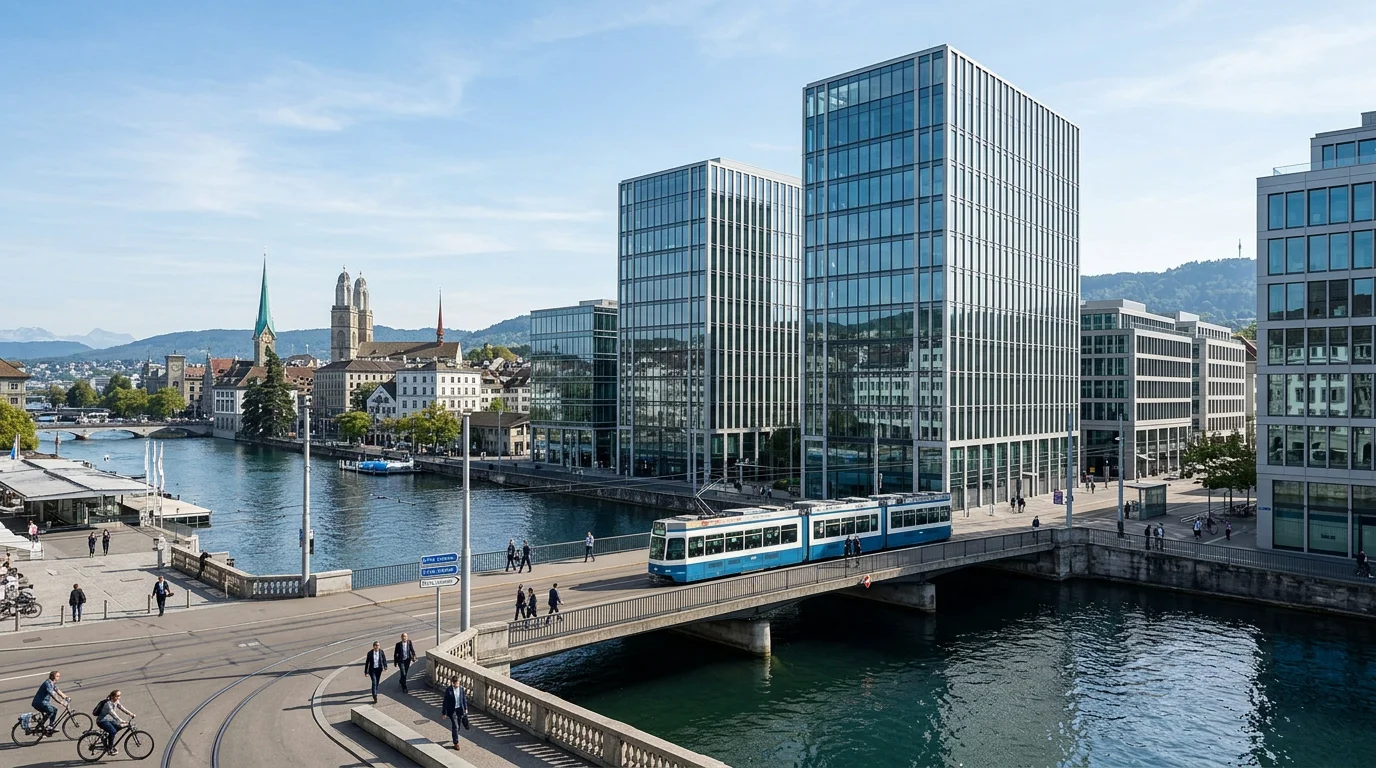
A small number of large groups dominate premium volume and brand recognition. Analysts consistently list Zurich Insurance Group, Swiss Life, Helvetia, Baloise, and the reinsurer Swiss Re among the leading players in the country. This concentration reflects a mature market with high customer loyalty and strong balance sheets.
Market capitalisation tells a similar story. According to figures compiled by Statista, Chubb ranked as the leading insurer by market capitalisation in Switzerland as of October 2024, followed by Zurich Insurance Group. Size, however, is not the same as suitability. A large group may excel in one line and be uncompetitive in another, which is why the strongest name for one household is rarely the strongest for the next.
To keep the picture in perspective, the following table contrasts three common routes to buying cover.
| Route to cover | Market-wide comparison | Product independence | Hidden commissions |
|---|---|---|---|
| Independent advisory (our approach) | Yes, across the whole Swiss market | Full, no tied products | None disclosed |
| Tied agent of one insurer | No, single provider only | Limited to one range | Varies |
| Direct online purchase | Partial, self-directed | Depends on the platform | Varies |
Where you would otherwise juggle multiple quotes yourself, our Swiss healthcare terminology guide can help you decode the abbreviations that appear on those offers.
How the sector is regulated and why it stays stable
Confidence in Swiss insurers rests on supervision. The Swiss Financial Market Supervisory Authority, known as FINMA, licenses every regulated carrier and requires each to submit annual business and financial data. Independent advisers, including our practice, are equally subject to registration and oversight.
Capitalisation reinforces that stability. The Swiss Insurance Association reports that the average solvency ratio stood at 246 per cent at the start of 2025, comfortably above the regulatory minimum. Balance sheets are substantial too: according to the FINMA insurance market report, total assets across supervised insurers rose by almost 8 per cent to CHF 222 billion in 2024. For you, this framework means insolvency risk is low and the real decision is about value, not survival.
Health insurance and the pressure of rising premiums

Health cover is where most residents feel the market most directly. Basic mandatory insurance is standardised, but supplementary plans differ enormously between carriers. This is the segment where careful comparison saves the most money.
Costs are climbing. According to Mordor Intelligence, average mandatory premiums rose by 6 per cent in 2025, following an 8.7 per cent surge the year before, driven by total health expenditure that reached CHF 97.1 billion in 2024. Those increases explain why more households are reassessing their supplementary cover and switching carriers where the value no longer holds.
Because basic premiums are largely fixed by policy design, the real levers are your deductible choice, your insurance model, and the supplementary plans you layer on top. Reviewing these annually, rather than renewing on autopilot, is one of the most reliable ways to control household costs.
Life insurance, pensions, and the third pillar
Life insurance in Switzerland is closely tied to retirement planning. Carriers remain a central element of the second and third pillars, even as the market shifts. Guaranteed-rate savings products have lost ground while unit-linked and hybrid designs gain share, as customers seek exposure to capital-market returns alongside a protected floor.
For most residents, the practical questions concern the third pillar. A 3A plan offers tax-advantaged, restricted retirement saving, while a 3B plan offers greater flexibility. The right structure depends on your income, your horizon, and your appetite for market risk. Where you need a strategy that coordinates protection with tax efficiency, our independent pension and 3A/3B advisory is designed to align these elements around your situation rather than around a single provider's catalogue.
How to choose among Swiss insurers with confidence
Start from your needs, not from a brand. List the risks you must cover, the risks you prefer to self-insure, and the budget you can sustain. Only then should you request quotes, because comparing like with like is impossible without a clear brief.
Independence is decisive here. A tied agent presents one range; a genuine comparison spans the whole market. Because we hold no tied products and take no hidden commissions, we can weigh the field of Swiss insurance providers against your priorities and explain the trade-offs in plain terms. That transparency, paired with ongoing support after the contract is signed, is what turns a one-off purchase into a durable plan.
Bringing your insurance decisions together
The market of insurance companies in Switzerland is broad, well regulated, and financially solid, which means your risk lies less in a carrier failing and more in overpaying for cover that does not fit. Read the sector for what it is: a competitive field where a handful of large groups set the tone but rarely offer the best value on every line. Define your needs first, compare several providers on identical terms, and revisit health and pension choices each year. Disciplined comparison, not brand loyalty, is what protects both your finances and your peace of mind.
Take action with Mathias Sudres
You have seen how much premiums and terms vary between carriers, and how quickly costs shift from one year to the next. Turning that complexity into a clear plan is where independent guidance makes the difference, especially when tax efficiency and long-term protection must work together.
As a FINMA-registered independent adviser, we compare the whole Swiss market on your behalf, with full transparency, no tied products, and no hidden commissions. From third pillar 3A and 3B optimisation to disability and family protection, our independent insurance and pension advisory follows a simple four-step process: a free initial chat, a market comparison, clear explanations, and implementation with ongoing support. Let us review your situation and identify where you can secure better cover for less.
Frequently Asked Questions
How many insurance companies operate in Switzerland?
Around 195 private insurers are based in Switzerland and supervised by FINMA. They compete across five branches, including life, health, non-life, and reinsurance. Despite this large field, a small number of major groups account for most premium volume.
Are Swiss insurers financially safe?
Yes, the sector is strongly capitalised and closely supervised. The average solvency ratio stood at 246 per cent at the start of 2025, well above the regulatory minimum. Insolvency risk is therefore low, so your decision should focus on value and fit rather than survival.
Why do health insurance premiums keep rising?
Premiums track underlying healthcare costs, which continue to climb. Mandatory premiums rose by 6 per cent in 2025 after an 8.7 per cent increase the previous year. Reviewing your deductible, model, and supplementary plans each year is the most effective way to contain these costs.
Should I buy directly or use an adviser?
Buying directly can work if you already know exactly what you need. However, an independent adviser compares the whole market and explains trade-offs you might otherwise miss. Because we take no hidden commissions, our recommendations are guided by your priorities alone.
What is the difference between pillar 3A and 3B?
Pillar 3A is tax-advantaged but restricted retirement saving with annual contribution limits. Pillar 3B is more flexible and accessible but without the same tax benefits. The right choice depends on your income, horizon, and goals, which is where personalised advice adds value.